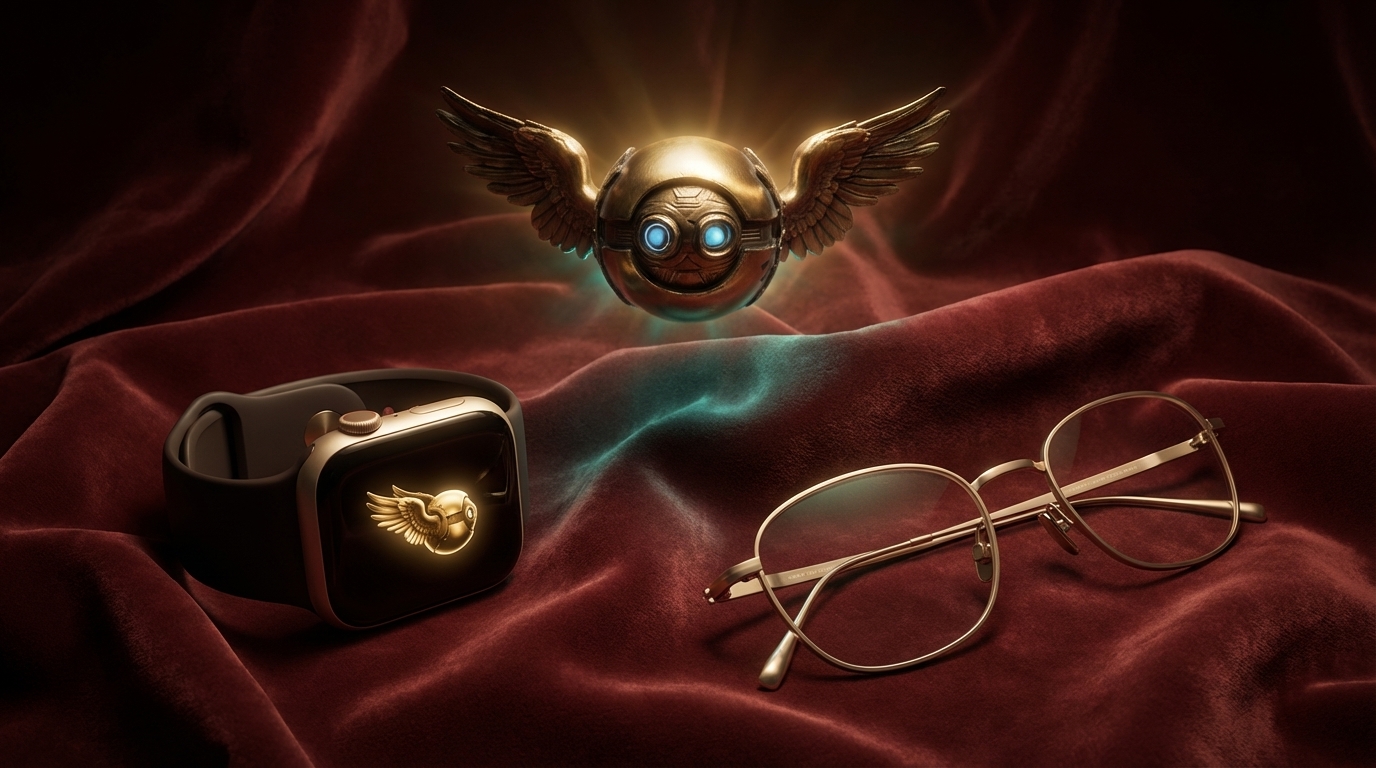
Built for the Wrist, Ready for Smartglasses
Built for the Wrist, Ready for Smartglasses
We didn't start with the watch because it was easy. We started there because it forced us to get everything right.
When you build for a two-inch screen, you can't hide behind a cluttered UI. There's no room for menus, tabs, or onboarding flows. Every interaction has to work in seconds, through your voice, with a glance to confirm. That constraint shaped everything about Demi.
It also prepared us for what's coming next.
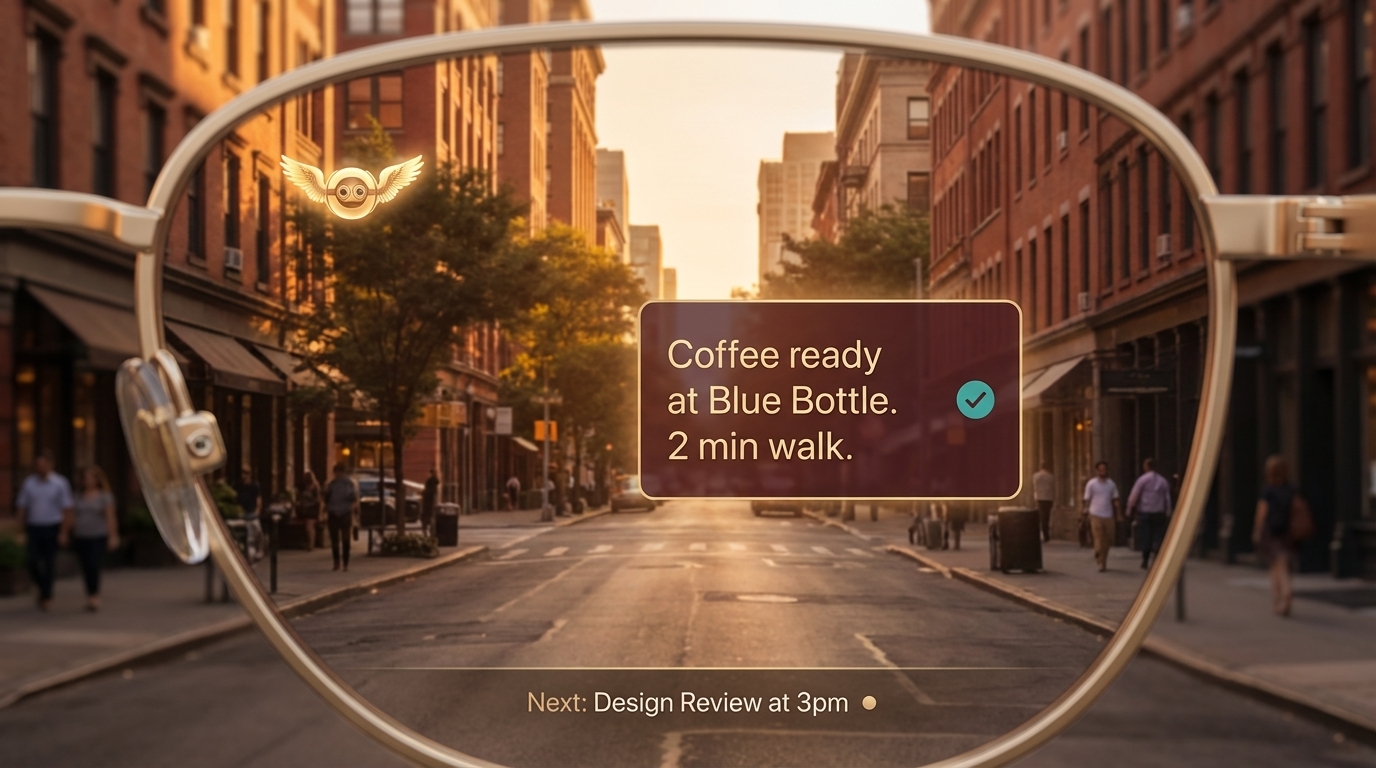
Demi on Apple smart glasses
We've built Demi for visionOS. When Apple's smart glasses arrive, Demi will be there.
The interaction model is the same one we've been refining on the watch. You speak. Demi acts. You see the result. No hands required, no phone to pull out, no app to open.
"Reschedule my 3 o'clock." A small confirmation floats in your peripheral vision. You nod or say yes. Done. You never broke stride.
"Order my usual from the coffee shop." Demi handles the browsing, the ordering, the payment. A quiet notification tells you it's ready for pickup.
"What's on my calendar for tomorrow?" The answer appears in your field of view for a few seconds, then it's gone. No screen to dismiss.
Why the watch came first
This is the part most people miss. Building for smart glasses isn't about spatial computing or 3D interfaces. It's about building an AI that works without a screen in your hand.
That's exactly what the watch taught us.
On the watch, Demi had to be useful in three seconds or less. It had to understand you from a short voice command. It had to handle complex tasks across calendars, email, websites, and smart home devices, then report back with just enough information. Not a wall of text. Not a loading screen. A clear, short answer.
Those are the same constraints glasses will demand. The form factor changes. The principles don't.
Wearable AI is a different discipline
Most AI products start with a chat window on a big screen. They optimize for long conversations, rich formatting, and interactive back-and-forth. Then they try to squeeze that experience onto smaller devices.
We went the other direction. We built for the smallest, most constrained device first. Then we expanded outward.
Your phone gets the full Demi experience with the autonomous browser, approvals, and deeper context. Your watch gets fast, voice-first control. And your glasses will get the most natural interaction of all. Demi in your day without a device to reach for at all.
Each surface gets exactly the right experience for its form factor. Not a shrunken version of something built for a bigger screen.
What this means for you
You don't need to wait for smart glasses to use Demi. Everything we've built for the watch and iPhone works today. The same assistant, the same voice-first approach, the same philosophy.
When glasses arrive, you won't need to learn anything new. Demi already knows how to work without a screen in your hand. It's been doing that since day one.
We built for the wrist first because we knew where wearable computing was headed. Smartglasses are next. Demi is ready.